Medical imaging represents one of the most advanced areas of modern healthcare, combining cutting-edge technology with highly specialized clinical expertise. In the opinion of Kasey McKillip, despite the sophisticated equipment and innovative techniques involved, every imaging procedure revolves around the patient. Whether an individual is scheduled for a routine X-ray, a computed tomography (CT) scan, magnetic resonance imaging (MRI), or a mammogram, the experience often comes with feelings of uncertainty, fear, or emotional distress.
Kasey McKillip highlights why compassion matters in medical imaging
Before undergoing a medical imaging procedure, patients worry about receiving a serious diagnosis, while others are anxious about confined spaces, discomfort during the examination, or simply the unfamiliar medical environment. In these moments, compassionate care becomes far more than a display of kindness. It serves as an integral part of patient-centered healthcare, influencing diagnostic accuracy, improving safety, and creating a more positive healthcare experience. By combining technical expertise with empathy, imaging professionals help patients feel supported while ensuring that high-quality diagnostic images can be obtained.
Read More: What Makes Wearing the Best Bluetooth Hearing Aids a Good Idea
One of the most important factors affecting the success of medical imaging is the patient’s ability to remain still throughout the procedure. Even the most advanced imaging equipment cannot compensate for excessive movement. Small, involuntary movements can create blurred images, motion artifacts, or distortions that make scans difficult or impossible to interpret. When this occurs, patients may need repeat examinations, resulting in additional radiation exposure in some imaging modalities or longer scan times in procedures such as MRI. Compassionate communication plays a significant role in minimizing these challenges. When radiology technologists take the time to explain the procedure, answer questions, and reassure patients, they help reduce emotional stress before the scan even begins. Understanding what to expect often replaces uncertainty with confidence, allowing patients to cooperate more effectively during the examination.
Anxiety naturally activates the body’s stress response, increasing heart rate, causing rapid breathing, and sometimes producing muscle tension or slight tremors. These physical reactions make it harder for patients to remain motionless. Calm, empathetic interactions help restore a sense of relaxation, making it easier for patients to follow instructions such as breath-holding or maintaining a specific body position.
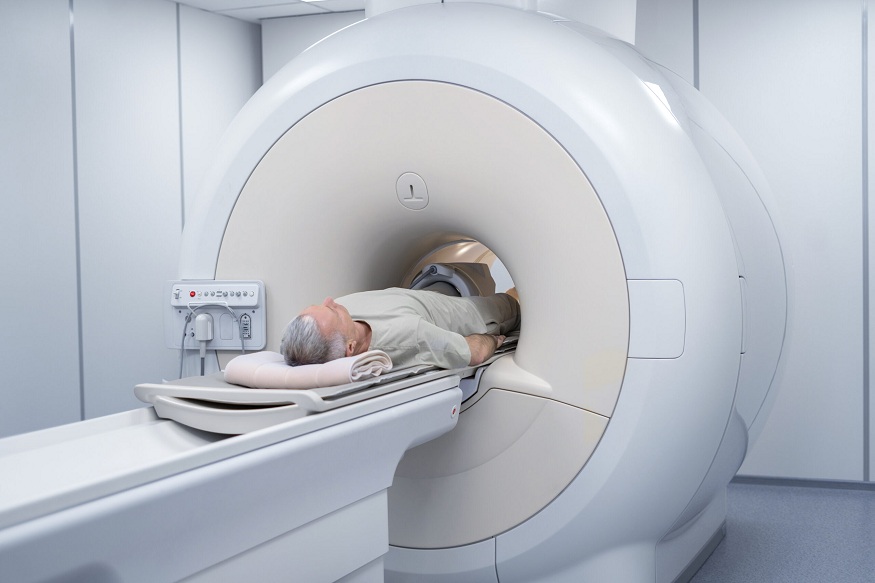
Patients who trust the imaging professional are also less likely to react suddenly when equipment is positioned or when unexpected sounds occur during the examination. For example, MRI scanners produce loud knocking noises that can startle someone unfamiliar with the procedure. A patient who has been properly prepared is more likely to remain calm and complete the scan successfully without unnecessary interruptions. Ultimately, sophisticated imaging systems deliver their best performance only when patients can comfortably cooperate throughout the procedure. Compassionate care creates the conditions that allow technology to function at its highest potential.
Read More: 10 Simple Health and Fitness Habits That Can Transform Your Life
Patient safety begins long before an imaging scan starts. Accurate screening and complete medical histories are essential for preventing complications and ensuring that the most appropriate imaging technique is used. However, anxious or overwhelmed patients may unintentionally forget important information or hesitate to ask questions. According to Kasey McKillip, compassionate communication encourages patients to speak openly and honestly. When technologists create an unhurried and supportive atmosphere, patients often feel more comfortable sharing details that may otherwise remain undisclosed.