
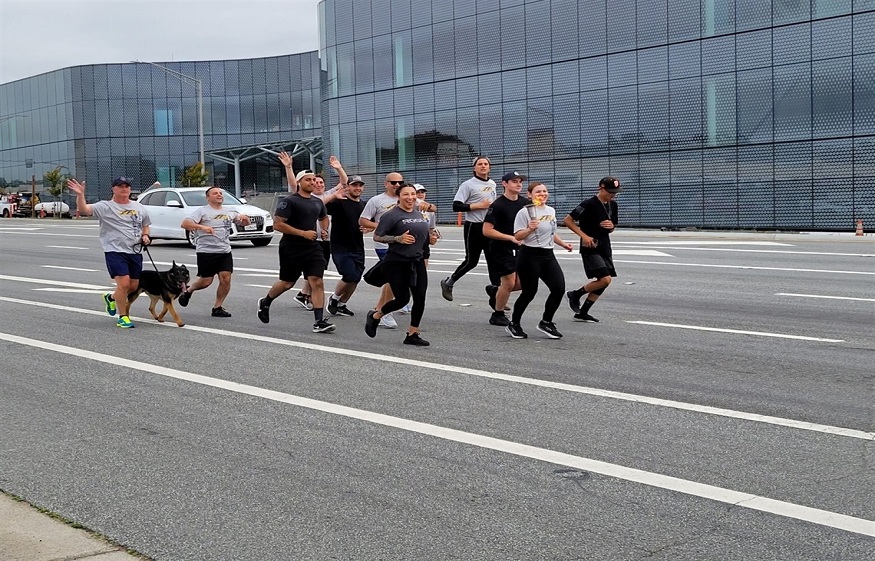
Some of the best leadership lessons do not come from offices or training programs. I the opinion of Valerie Powell Stafford, they can often come from volunteering at Special Olympics events, where people encourage athletes, help with small tasks, and celebrate every achievement. These experiences show that leadership is about helping others, including everyone, working together, and staying strong during challenges.
Valerie Powell Stafford highlights the lessons in leadership from supporting special Olympics
Many people believe leadership is about giving instructions, making decisions, and directing others. However, volunteering with Special Olympics offers a very different perspective. It demonstrates that genuine leadership is rooted in service, compassion, and a willingness to support others. True leaders arrive early to prepare the venue, assist athletes whenever they need help, and encourage participants with kind words that build confidence. These simple actions may appear small, but they create meaningful experiences for everyone involved. Leadership in this environment is not measured by authority or titles but by a person’s commitment to helping others succeed. Volunteer coordinators, for example, quietly handle schedules, transportation, athlete assistance, and event logistics while keeping every participant’s well-being as their top priority. This approach inspires trust, strengthens relationships, and creates a supportive atmosphere where everyone can perform at their best. Such lessons are equally valuable in workplaces, schools, and communities, where leaders achieve lasting success by empowering others rather than simply giving directions.
Read More: What Makes Wearing the Best Bluetooth Hearing Aids a Good Idea
One of the most powerful principles demonstrated through Special Olympics is inclusion. The organization believes that every individual deserves the opportunity to participate, feel respected, and experience a sense of belonging. Volunteers and coaches ensure that each athlete understands the rules, receives equal opportunities, and is celebrated regardless of skill level or final results. Every achievement, no matter how small, is recognized with genuine enthusiasm. This daily commitment transforms inclusion from a simple idea into a meaningful practice. The same principle applies to professional environments. Leaders who value diverse perspectives, experiences, and abilities create stronger, more innovative, and resilient teams. When people feel respected and included, they contribute with greater confidence and commitment. Inclusion therefore becomes much more than a workplace policy or slogan; it becomes a consistent habit that strengthens collaboration and helps every individual reach their full potential.
Read More: Importance of Timely Treatment for Dry AMD
Special Olympics also demonstrates that teamwork extends beyond achieving victories or meeting performance goals. Coaches, volunteers, families, and athletes work together with a shared purpose of ensuring that every participant enjoys a rewarding and memorable experience. Their collective efforts highlight the importance of mutual support, respect, and encouragement. Success is measured not only by medals or rankings but also by personal growth, determination, and improved confidence. Celebrating effort, persistence, and individual progress motivates athletes to continue striving toward their goals. These lessons remind leaders that recognizing consistent improvement is just as valuable as celebrating outstanding achievements. Teams become stronger when members feel appreciated for their contributions, regardless of whether they finish first.
As per Valerie Powell Stafford, most inspiring leadership lesson comes directly from the athletes themselves. Many overcome physical, developmental, or social challenges yet continue to compete with remarkable determination, courage, and optimism. Their resilience demonstrates that setbacks do not define success. Instead, success comes from learning, adapting, and continuing to move forward despite obstacles.